Transurethral Resection of Bladder Tumor
A bladder tumor grows on the surface of the bladder in the initial stages. The transurethral resection removes the tissue from the surface of the bladder and the connective tissue layer and muscle beneath. For superficial tumors (on the surface) this is often curative, for invasive tumors it performs an assessment of the stage of the cancer.
A TURBT is most often an outpatient procedure done in the hospital or surgery center. Most patients go home the same day, but some may stay in the hospital overnight because of their medical conditions or the extent of the tumor resection. A TURBT is performed under a general or spinal anesthesia
The goal of a TURBT is to remove all of the visible tumor from within the bladder. This requires not just scraping the tumor from the bladder wall but also some of the layers underneath to create a margin.
During a TURBT the doctor inserts a resectoscope through the urethra. The bladder is examined and the tumor identified. A small, electrified loop of wire attached to the scope to removes bladder tumors and underlying tissue with a cutting technique using the cautery loop. The removed tissue is sent to a pathologist to determine the stage and grade of the bladder cancer.
Occasionally, a chemotherapy drug directly into the bladder after a TURBT. This chemotherapy is an intravesical treatment. It can reduce the chances of future tumor recurrences. Mitomycin C (MMC) is a common drug used for this purpose.
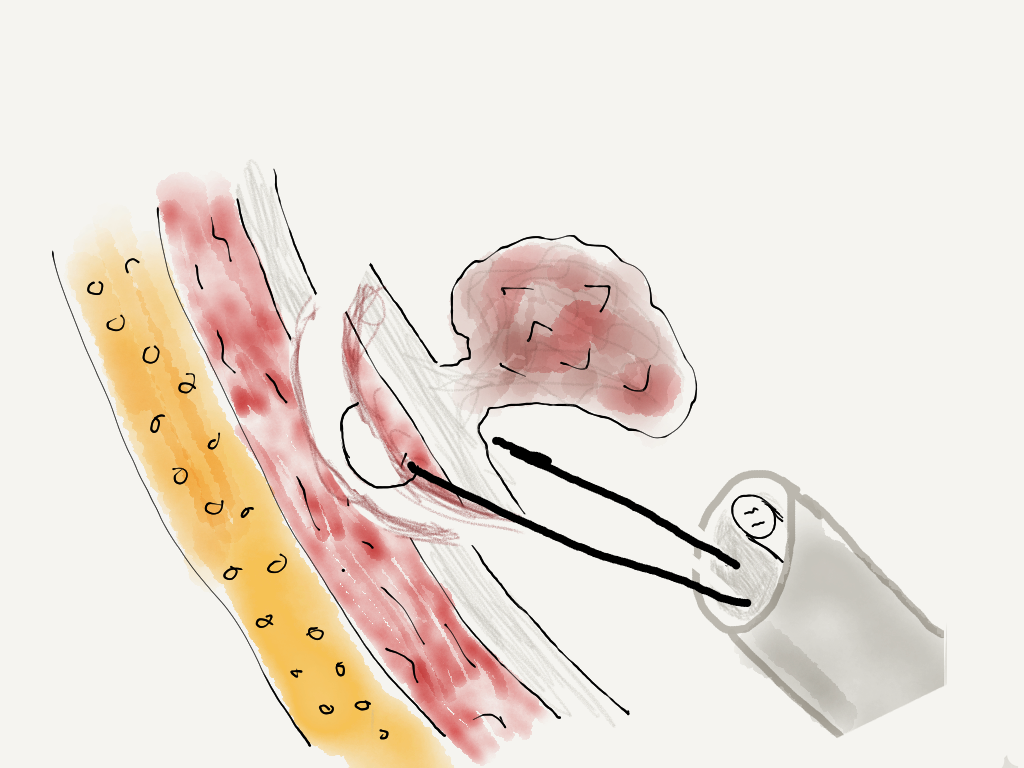
Furthermore, the resection may not remove all of the tumor, particularly in cases where the tumor is large or invasive and higher stage.
The resection can also go deep enough to perforate the bladder wall, most often requiring a prolonged catheter time to allow the bladder to heal.
Risks of anesthesia is dependent on a patient’s health condition and age.
There really are not alternatives for the resection of a bladder tumor. A simple biopsy can be performed for the smallest of tumors. For the obviously very large tumors more extensive surgery is needed, such as a bladder removal. In the recent past technology has changed with regard to the technology used in the resectoscope
Most urologists are well versed in performing a TURBT. If you need more treatment or further surgery your urologist may send you to see an oncologist, a radiation oncologist, or another urologic surgeon specializing in cancer surgery.
When you wake up, you may have a catheter in your bladder to allow your bladder to empty. Fluid may be added to wash out blood and debris from your bladder. A catheter may need to be kept in for several days if bleeding is persistent. If there is enough blood in the urine you will need to stay in the hospital overnight.
Most patients will go home on the day of surgery. You may need the catheter for several days after the procedure. Usually patients will return to the office for catheter removal; we will determine how long the catheter needs to stay in after the procedure when we know how much we resected.
Regarding the catheter, we want to make sure you understand how to use it and when it should be removed prior to leaving the hospital. Don’t Worry! Almost without exception, the nurses in the postoperative recovery do a great job of teaching you how to use a catheter.
Side effects may include painful urination, bladder irritation, frequency, and bladder spasms. You will be given prescription medications to help. Plan to rest for a few days after your TURBT.
Blood in your urine and passing blood clots (from where they took out the tumors) can continue for a few weeks. Drink lots of water. Drinking water helps flush out your bladder, preventing clots and debris from building up within the bladder.
It’s not common, but pads or protective underwear can help people who experience urine leakage or blood spotting from the urethra after the treatment.